YouTube Music used to feel like an experiment that never found its footing. It had a lot of content, but not much structure. It seemed more like a placeholder than a serious alternative to Spotify or Apple Music. Over time, though, it has changed—quietly, but meaningfully.
Today, YouTube Music feels less like a service trying to catch up and more like one that knows what it does best. It no longer copies the competition. It highlights what people already love about YouTube—and brings that directly into the music experience.
A Smarter Approach to Music Discovery
The most noticeable improvement in YouTube Music is how it finds the right music for the right moment. It's not just about trends or what's new. It draws from your history—both listening and watching—to build a feed that feels closely tied to your interests. That history might include years of video searches, old playlists, liked performances, or even mood-driven content like cooking tutorials or animated shorts.
YouTube Music doesn’t recommend songs just because they’re popular. It finds connections between what you’re watching and what you might want to hear. The overlap between video culture and audio habits makes this possible in a way no other music service can match.
Say you’ve been watching 2000s R&B dance videos—your music recommendations shift to match that vibe. If you’re watching anime reviews or lo-fi background compilations, your playlist reflects that aesthetic. This kind of integration between viewing habits and listening habits is something YouTube was always in a position to do well, but only recently has it felt refined and intentional.
This new approach makes it feel like YouTube Music finally understands that your taste isn’t one-dimensional. People don’t just follow music genres; they follow moods, interests, and moments. The service now delivers music that matches those moments without having to ask.
The Visual Edge No Other Service Can Match
One major strength of YouTube Music is its deep connection to video. While other platforms offer music videos here and there, none of them handle video content the way YouTube Music can. It’s not just official releases—you get a full range of formats. Covers, acoustic sets, impromptu street performances, music class recordings, and one-time collaborations all exist side by side.
That means a single search doesn’t just give you the standard version of a song. It opens the door to years of live performances, interviews, alternate takes, and obscure versions that fans have kept alive online. You don’t have to go looking elsewhere—the app now brings that into one unified space.
For artists, this gives fans a more complete picture. For listeners, it keeps the experience rich and unpredictable. It’s like attending a concert series without leaving the couch. YouTube Music doesn’t hide these performances deep in the app anymore. They’re part of the listening journey.
That richness makes the platform feel more human. Instead of listening to a perfect studio track over and over, you can hear how it’s changed over time—or how different people interpret it. This adds a layer of personal connection that goes beyond passive listening. It encourages exploration, curiosity, and deeper appreciation.
Finally, a Functional, Focused Experience
One of the main things holding YouTube Music back in the past was usability. There were clunky interfaces, bugs, and an unclear sense of how video and audio were supposed to work together. But a lot of that has been cleaned up. The app now runs smoothly, and core features work as expected.
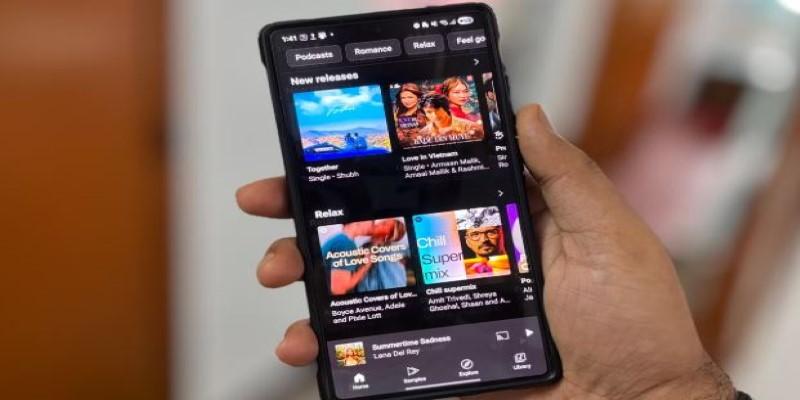
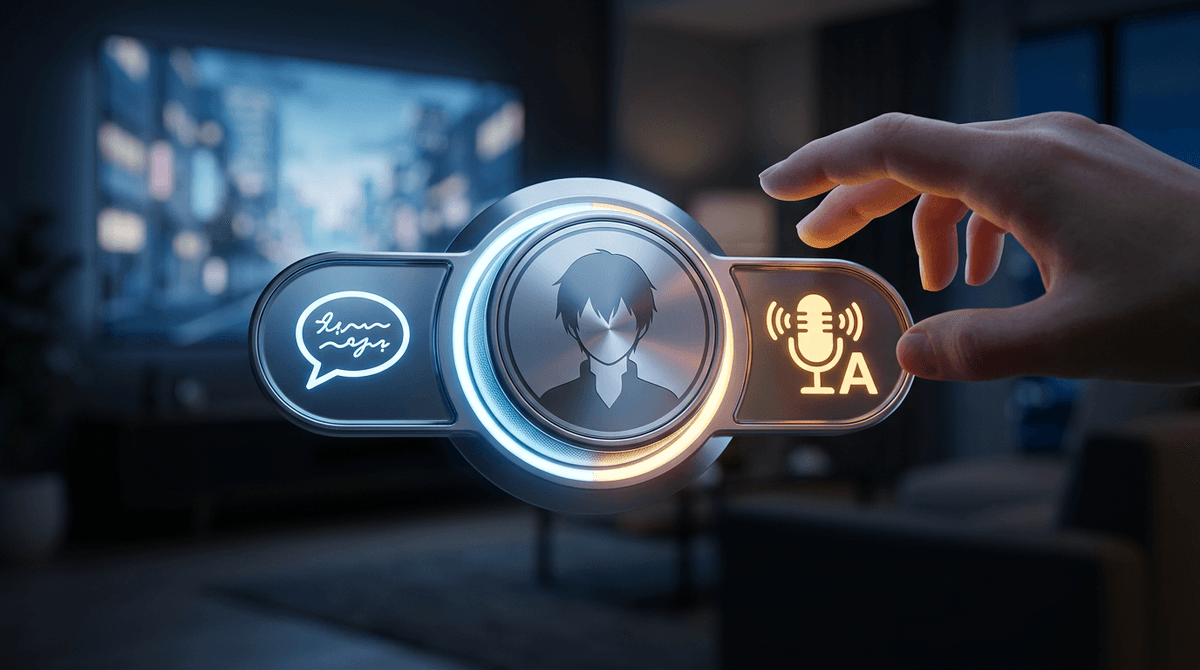
Offline listening is simple. You can easily toggle between a video and an audio version of the same song. Playlist creation feels more natural, and the transitions between content types are better managed. It no longer feels like two systems stitched together. Now it's one clear experience.
That clarity helps bring attention back to what makes YouTube Music special—its archive. You don’t have to dig to find interesting things anymore. The app surfaces them. Search feels faster, results are more relevant, and the entire system feels more responsive to what you want rather than pushing a fixed format.
The structure of the platform finally matches its content. It feels like it was built to support the depth of YouTube’s music catalog, instead of limiting it. You can now enjoy the full value of what YouTube offers—without bouncing between apps or dealing with awkward menus.
A Space That Feels More Personal, Less Algorithmic
YouTube Music doesn’t feel like it’s trying too hard to be smart—it just feels familiar. The personalization is subtle but effective. It draws from your actual behavior, not just recent plays. That long-term context makes it feel less like it’s recommending songs and more like it’s recalling memories.
This is where it stands apart from Spotify or Apple Music. Those apps generate well-made playlists, but they often start from scratch. YouTube Music, if you’ve used YouTube for years, already knows your habits and preferences. That gives it a head start.
You get a music experience shaped by your listening history. It doesn’t chase trends. It brings back songs you forgot you loved and surfaces content tied to moments you cared about—like a concert you watched late at night or a cover that meant something.
It also suggests music based on your broader interests. If you’re into cooking videos, chill playlists might show up. If you're into documentaries or short films, you’ll see more instrumental or cinematic tracks. It's subtle but thoughtful.
That makes YouTube Music feel less like a service and more like a habit. It blends into your routine without effort. It doesn’t ask for your attention—it just fits into your day.
Conclusion
YouTube Music has finally found its footing. It’s no longer a secondary option—it feels like its own space. The app leverages YouTube’s strengths—variety, memory, and depth—to create a richer music experience. It doesn’t just stream tracks; it reflects your habits, links your interests, and blends music with video seamlessly. Rather than competing with others, it focuses on what it does best. That’s why YouTube Music now feels like the best part of YouTube.